
In Salinas Valley, a lettuce robot turns hard field work into teamwork
WIRED's field report from California shows a simple but powerful robotics story: workers and machines sharing the harvest instead of standing on opposite sides of it.
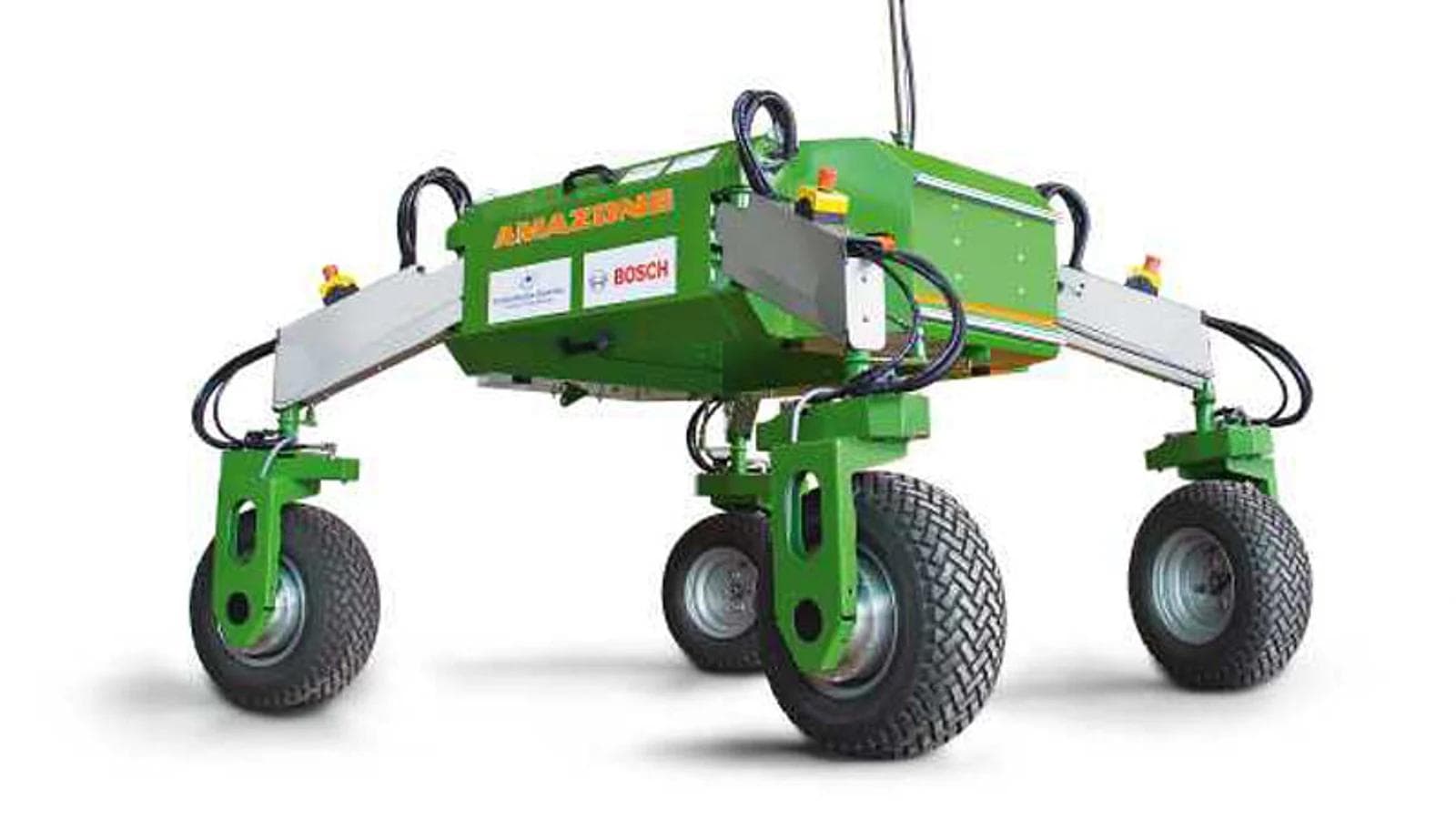
What this story shows
- The lettuce robot changes the shape of field work rather than removing people from the harvest.
- Robotics adoption improves when the crop, process, and worker role are redesigned together.
- The clearest value is less physical strain, more consistency, and a team that still uses human judgement.
In one of the clearest examples of human-robot collaboration in agriculture, a lettuce-harvesting robot in California's Salinas Valley does the punishing cut while people do the judgement work the machine still cannot do well.
WIRED's 2017 report describes a machine using high-pressure water jets to cut heads of lettuce, then moving them up a conveyor where workers remove loose leaves. Across the road, people were still harvesting the old way: bent over, knife in hand, doing work that is physically brutal even for experienced crews.
What the robot changes
The story is not that the robot eliminates people from the field. It changes the shape of their work. Instead of stooping through rows and cutting lettuce by hand, workers ride with the machine and handle the parts of the job that still benefit from human dexterity and judgement.
That matters because California farms have faced persistent labor shortages, and because some field jobs are difficult to staff precisely because they are so hard on the body. In the WIRED piece, Taylor Farms' Mark Borman points to an ageing agricultural workforce and fewer young workers entering that kind of labor. The broader industry context is visible through agricultural organizations such as Western Growers.
The deeper collaboration
The most interesting detail is not only that workers adapt to the robot. The crop adapts too. WIRED reports that Taylor Farms selected a romaine variety with a longer base, making it easier for the water-knife system to cut cleanly. That is a more mature robotics story: adoption works when the process, the product, and the people are redesigned together.
- The robot handles repetitive, back-straining cutting.
- Workers continue to inspect, clean, and prepare the lettuce.
- The farm modifies operations so the machine and the crop work together.
“The future of farm robots is less about empty fields and more about better-designed work.”
Why it matters for adoption
This is the kind of case study robotics needs more often: concrete, physical, and easy to understand. A buyer comparing outdoor automation, from farm systems to lawn mowing robots, does not need to believe in a vague autonomous future. They can see the value immediately: less strain, more consistency, better throughput, and a human crew still present where judgement matters.
More stories
View all
Robs are great
Lorem ipsum dolor sit amet, consectetur
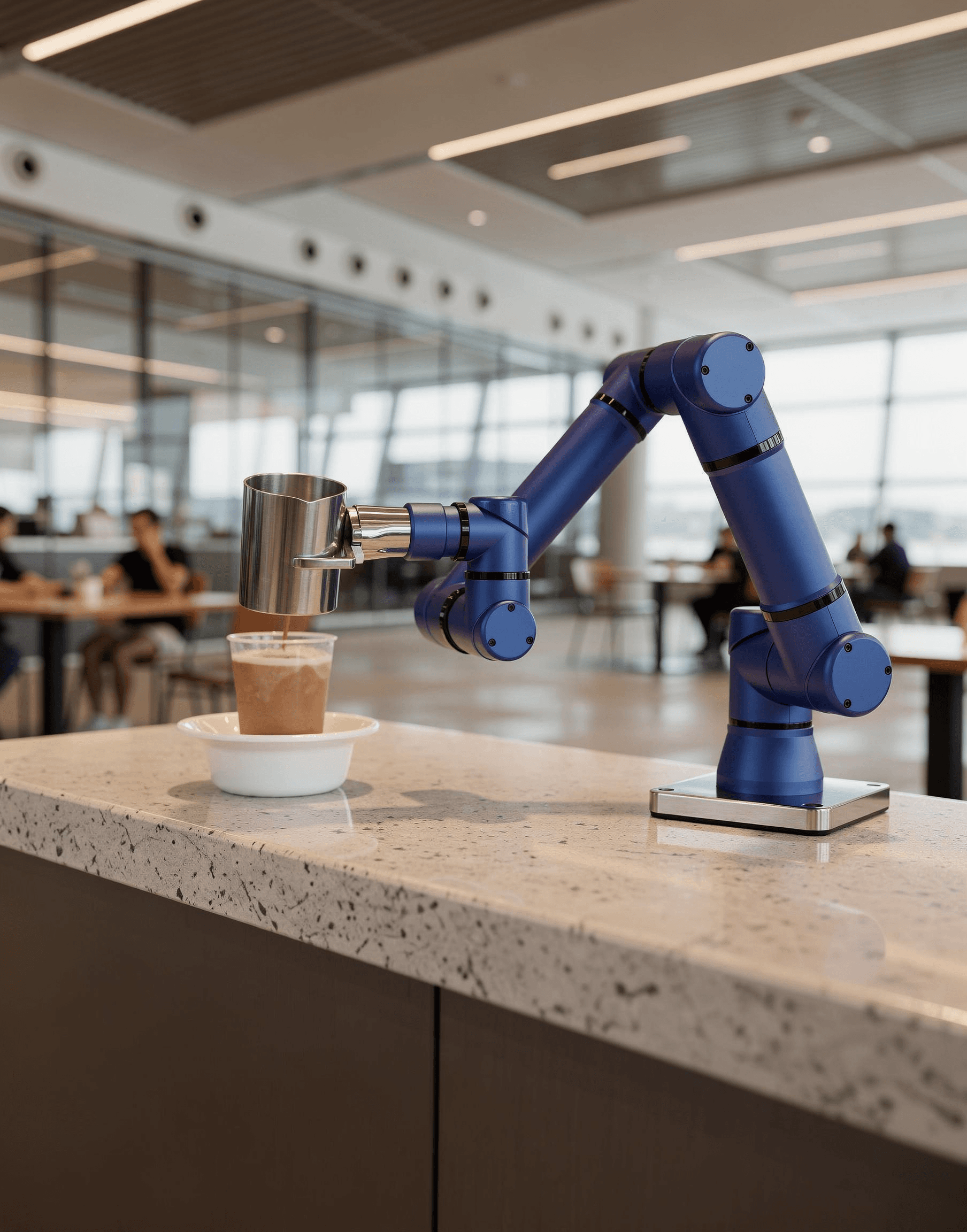
Robots are the future
Robots are the absolute future we have.
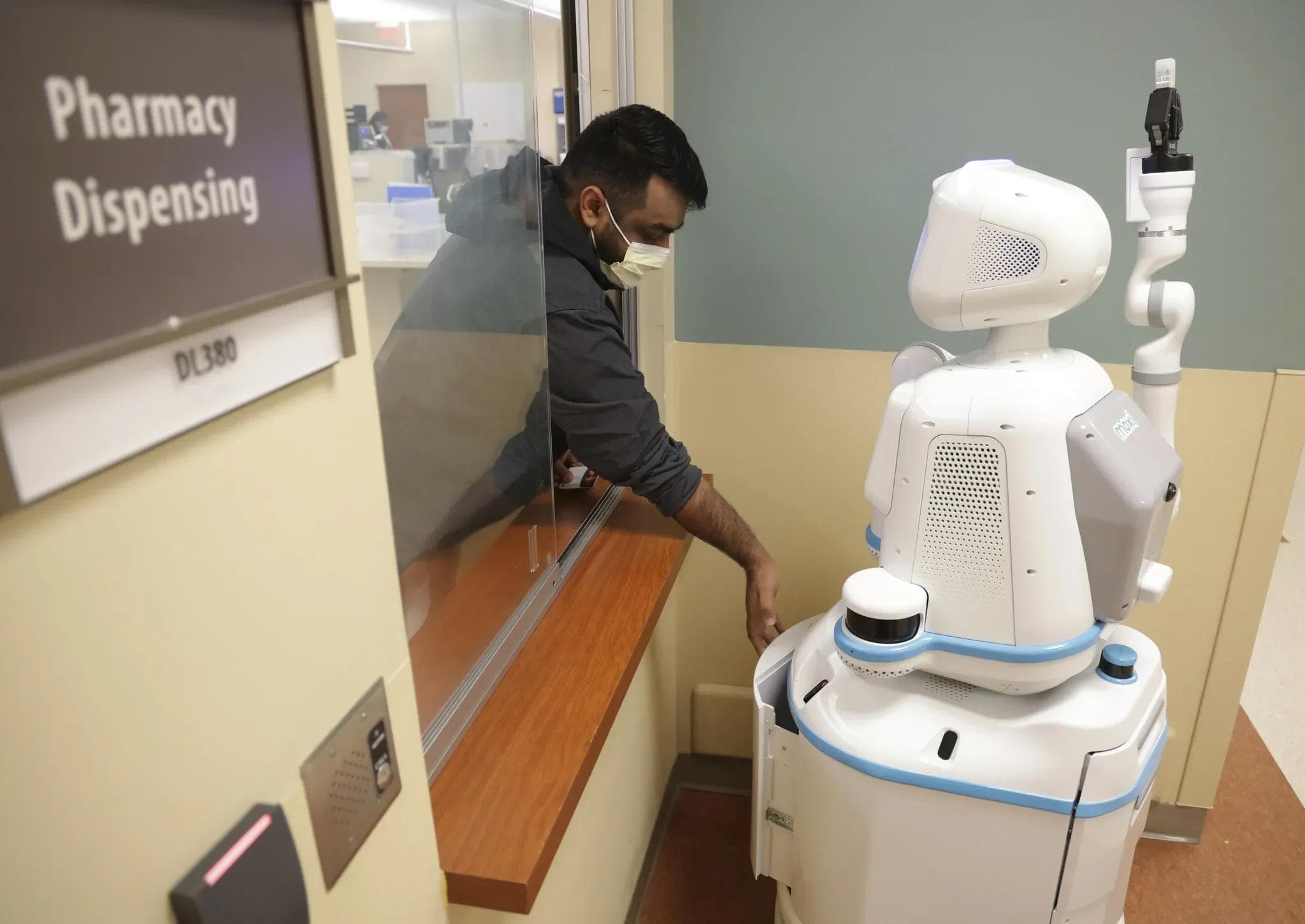
Moxi the hospital robot gives nurses time back
At Mary Washington Hospital, WIRED found a cleaner robotics story than spectacle: a mobile assistant taking routine delivery runs so nurses can stay closer to patients.