
Millions of hours of work delivered
Explore the use cases
An expert for every field
Live on the marketplace right now
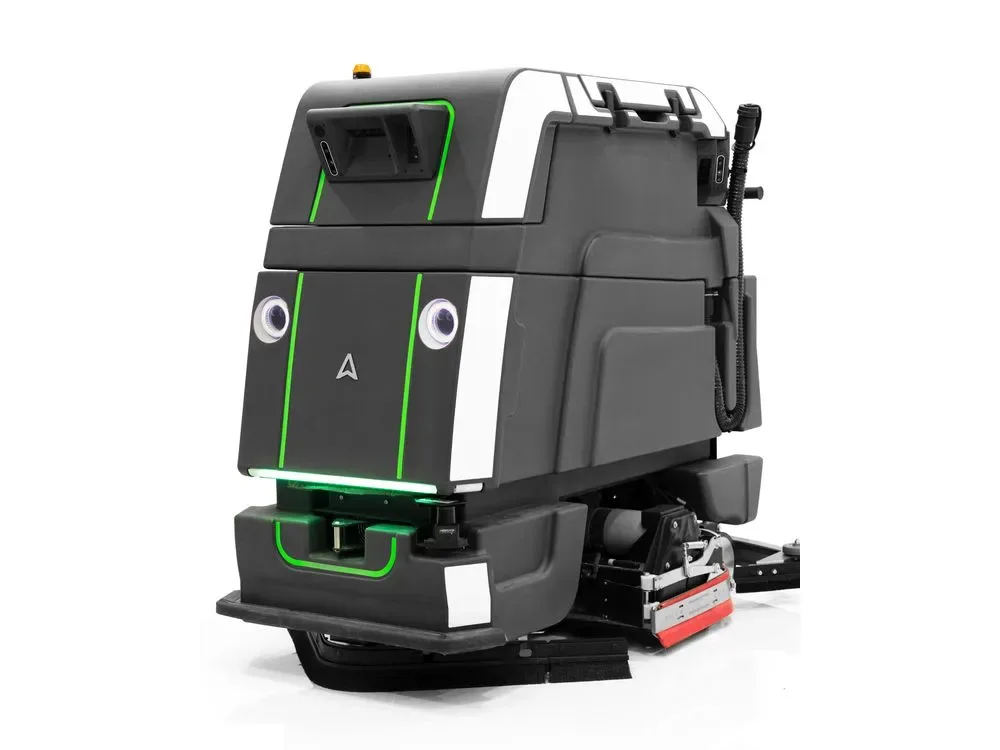
Autonomous commercial scrubber for large facilities, up to 3,941 m² an hour.
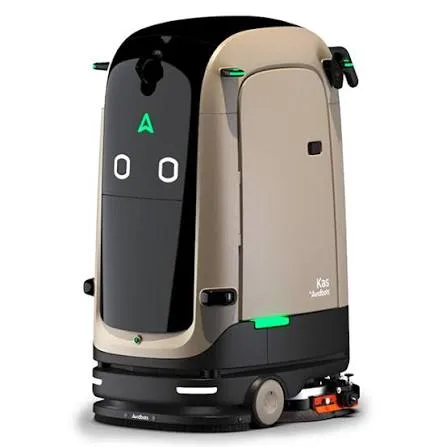
Compact autonomous scrubber for tight commercial spaces, through aisles from 1.05 m.
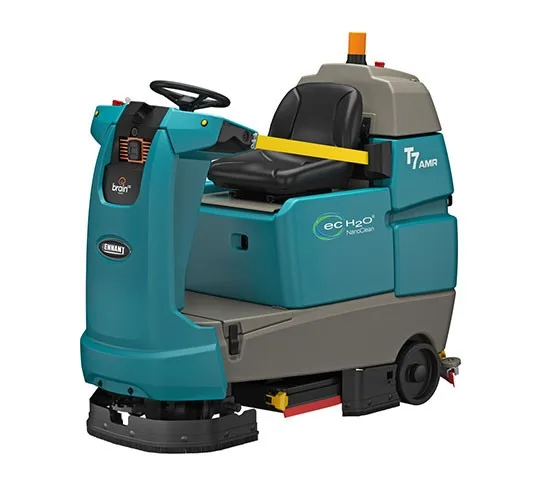
Ride-on scrubber that runs autonomously on BrainOS, with a 650 mm path and 110 L tanks.
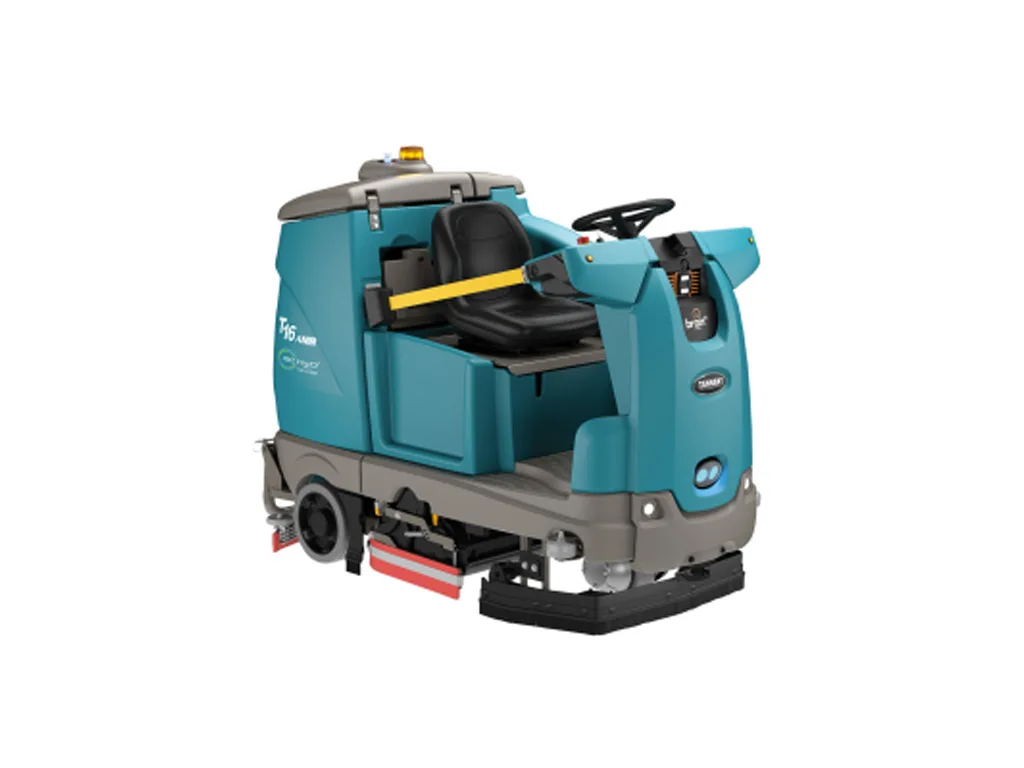
Industrial robotic ride-on scrubber for logistics and manufacturing, with a 910 mm path.
Viewed and saved this week
Autonomous commercial scrubber for large facilities, up to 3,941 m² an hour.
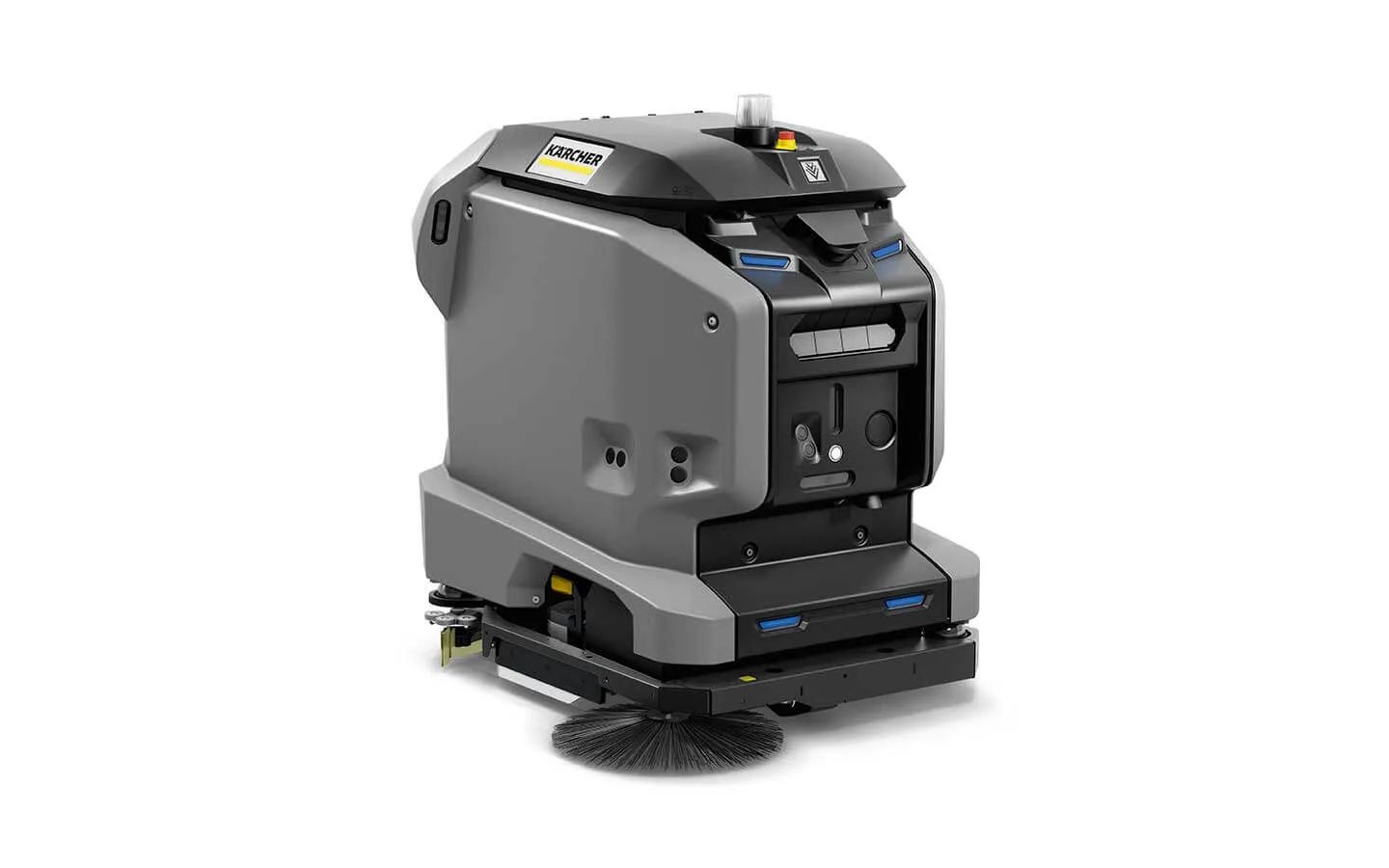
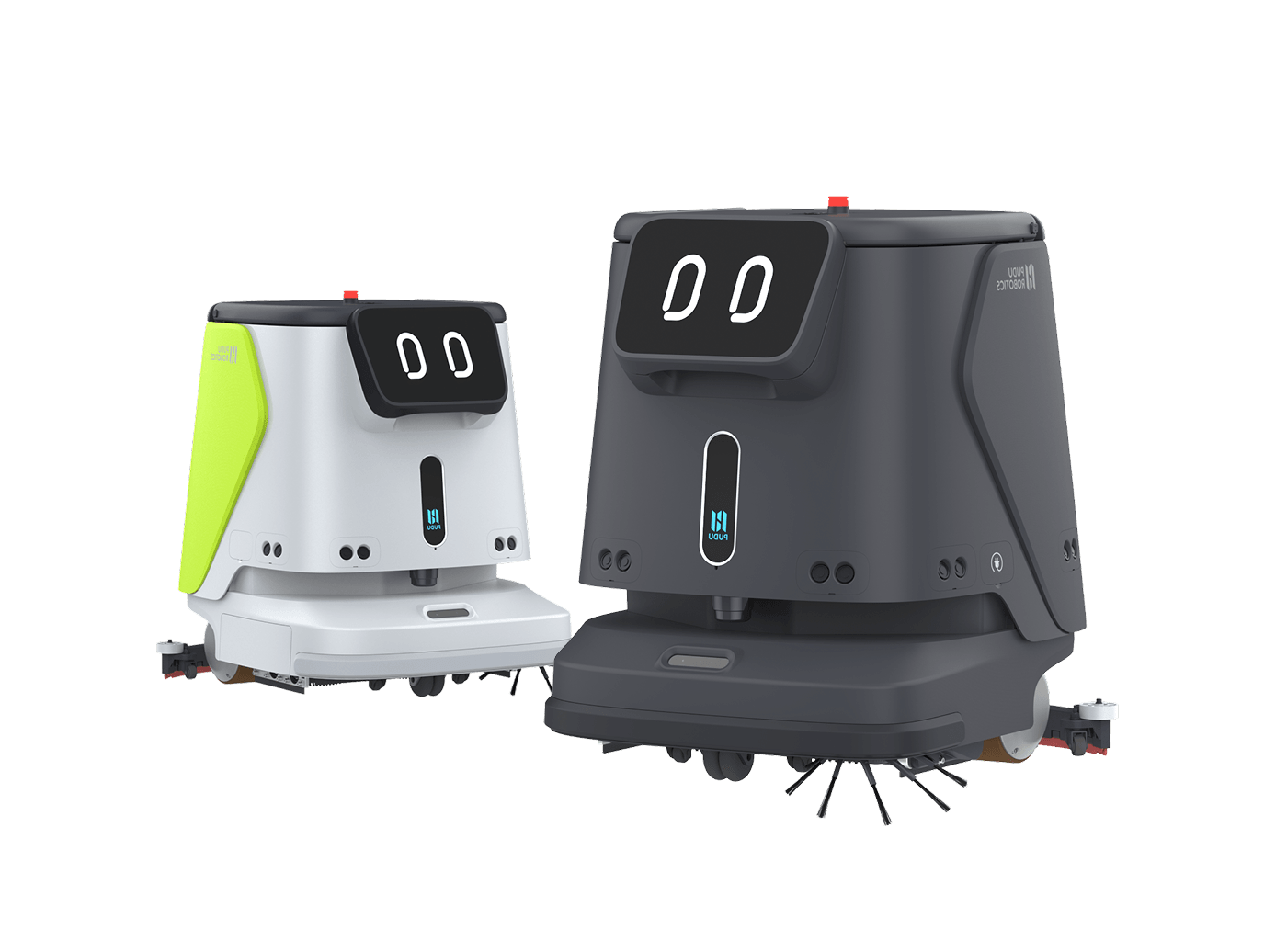
Compact autonomous scrubber-dryer that pre-sweeps and scrubs in one pass.
Ride-on scrubber that runs autonomously on BrainOS, with a 650 mm path and 110 L tanks.
Industrial robotic ride-on scrubber for logistics and manufacturing, with a 910 mm path.
Brand, budget, autonomy, region
Start with the task. Write down one job you would hand over, the hours a week it takes today, and the space it happens in. Robots are built for one job in one kind of place, so that description alone narrows the market. Look at what already does that job and what it costs, and leave the detailed specifications for last.
Botsdex is organized the same way. You browse by job first, then narrow by workplace, and each job page shows the filters that matter for that job.
Companies of every size run robots. What decides it is whether one job eats enough hours to be worth handing over. A restaurant where staff spend six hours a night carrying food has a stronger case than a large office that needs twenty different things done now and then. Small operators often feel those hours the most, because the hours are usually their own.
The clearest case is when the job already costs more than the machine will. If you pay someone for those hours every week, or you are getting close to hiring another person to cover them, that is the point where a robot starts to add up. It also gives the people you already have their time back, so they spend it on the work you hired them for instead of walking plates across a room or pushing a trolley from one end of the building to the other.
Every browse page here has a price filter, so you can put your budget in first and see what exists at that number.
Check three things: work rate, fit, and handoffs. Work rate is how much it gets through in an hour, so check the listing for plain numbers, like plates cleared per hour or square meters cleaned per hour. Fit is physical: doorway widths, floor surface, ramps and lifts, indoor or outdoor, and how it charges. Handoffs are the steps a person still does: many robots do their task well and need someone to load them, unload them, or stay nearby.
Botsdex filters on all three wherever a job calls for them, including a hands-free filter that separates fully self-running machines from the ones that need loading, unloading, or an attendant.
Four things: freight, setup, running costs, and the site work you do yourself. A machine that crosses a border often adds freight fees, and sometimes duties or taxes. Setup covers installation, mapping the space, and training whoever will use it. Running costs cover electricity, consumables, spare parts, and any software subscription. The site work is yours: a charging point, wifi that reaches the far corner, and somewhere for the robot to live.
On Botsdex the delivered price is quoted before you pay, with freight to your country shown as its own line. Any installation or training the seller offers appears as a priced add-on when you buy, so you see the full amount before you commit.
One of your own people. Autonomy comes in levels: operated machines are driven by a person, supervised machines run on their own with someone on call, and unattended machines run alone. At every level the robot does best with one owner who charges it, clears its errors, and keeps it updated, and picking that person before you buy makes the deployment succeed.
Botsdex labels every listing at one of those three levels, so you can filter for the attention you can give it.
Every machine needs service, the same as a van or a dishwasher. Treat support as part of what you are buying: check who repairs it and where they are based, how quickly spare parts arrive, what the warranty covers and for how long, and how much routine maintenance your own team can do. A machine with service close to you usually costs less to own over its life.
On Botsdex the seller is responsible for support on your order, and a private message thread opens with your purchase. The warranty term appears on the listing wherever the seller has stated one, and any manuals and setup guides they publish stay attached to your robot in Fleet.
Yes. Renting is the closest thing to a trial. A rental lets you watch the machine work in your own space: whether your staff use it, whether it keeps up during your busiest hour, and whether your floors and doorways suit it. Pick one measure before it arrives, like hours saved, covers served, or floor area cleaned, and check it at the end of the term.
Buy, rent, and lease are listing types you can filter on here, so you can see which machines are offered on which terms before you shortlist.
Commercial robots are built to work near people, and safety is shared between the maker and you. The machine should carry the conformity marks your market requires: CE and UKCA in Europe and the UK, FCC and UL in the United States, plus anything specific to your sector, like food contact or medical use.
Once the robot is on your site, you are the operator. Most countries expect a workplace risk assessment, trained staff, and a plan for the day it stops in a doorway. Sellers on Botsdex declare their marks from a fixed list, the marks appear on the listing, and they are a filter, so you can narrow to what you need.
Three mechanisms protect the money. Sellers complete identity verification before they can list or take payment. Payments run through a regulated payment processor, the same infrastructure behind millions of businesses. And every paid purchase, rental, and lease carries the Botsdex Guarantee, which applies on every order from every seller.
If the robot arrives damaged, arrives as a different machine than the one listed, or fails to arrive, you have 180 days to raise it. The seller has 48 hours to respond, and Botsdex steps in after that.
Count the hours the task takes today and multiply by your fully loaded hourly cost. Set that against the price plus freight, setup, and running costs over the years you will keep the machine. The same arithmetic tells you what you can afford to spend, so run it before you shortlist.
A robot usually takes over part of several roles rather than one whole job, so the clearest savings come from tasks that sit in their own block of time. The first months run slower while everyone learns the machine, and after that it holds the same pace every shift.
Prices and delivered costs are visible on every listing here, so you can run the numbers before you buy.


