
Ocado's ARMAR-6 shows what practical factory help can look like
The collaborative robot prototype is a useful industrial case study because the goal is specific: help maintenance technicians with the awkward parts of repair work.
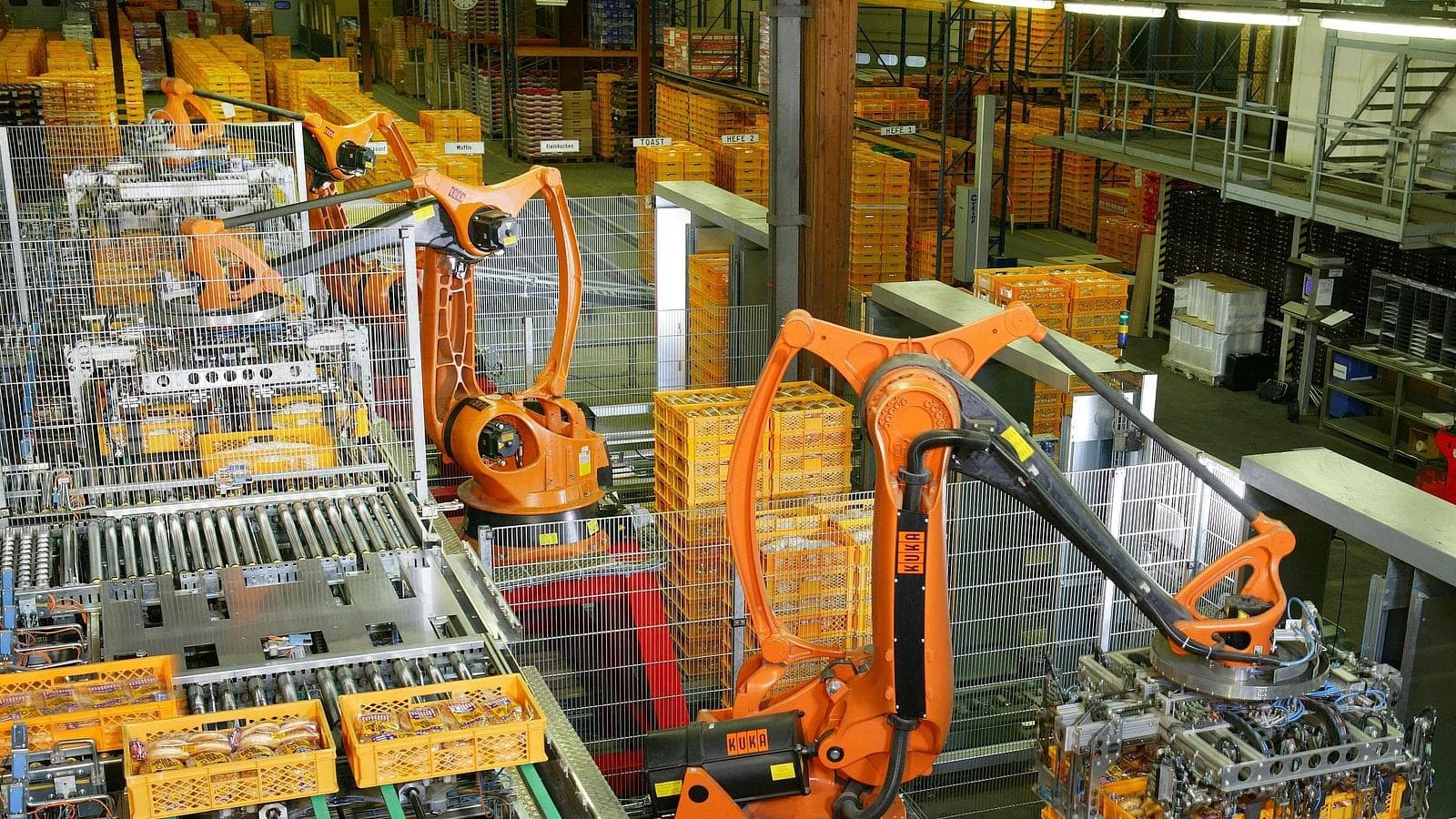
What this story shows
- ARMAR-6 is compelling because the task is narrow: help technicians with awkward maintenance work.
- The worker remains the expert while the robot assists with holding, positioning, and task support.
- Industrial robot adoption is easier to justify when the deployment target is specific and repeatable.
The most convincing industrial robot stories often start with an unglamorous problem. At Ocado, the problem was maintenance: panels, tools, conveyors, tight spaces, and engineers who need a second pair of hands at exactly the right moment.
WIRED's report on ARMAR-6, a humanoid collaborative robot prototype developed through the SecondHands project, describes a machine designed to work beside technicians in Ocado's automated warehouses. The robot has a wheeled base, arms and hands for gripping, cameras for recognizing humans and objects, and speech recognition for commands.
A narrow job is a strength
The source article is explicit that the robot was not designed to replace warehouse engineers. Its job is to assist them. One example task has the robot help remove a panel from the underside of a conveyor: it positions itself, supports the panel, and lets the technician undo screws before the two lower the panel together.
That is exactly the kind of specificity robotics adoption needs. The robot does not need to do every job in a warehouse. It needs to reduce friction in tasks that are common, awkward, physically annoying, or hard to do alone.
From command following to intent reading
Ocado Technology's Graham Deacon told WIRED the longer-term ambition was for the robot to understand a technician's intentions and assist at the right point in the task. In the article, the prototype was still operating through prescribed sequences, but the direction is clear: factory robots become more useful when they can read context, not only execute commands.
- The technician remains the expert and decision-maker.
- The robot handles holding, fetching, positioning, and other assistance tasks.
- The warehouse benefits when downtime and physical strain are reduced.
“A robot that holds the panel may be less spectacular than a robot that claims to do everything. It is also much easier to deploy.”
Why it matters for adoption
For industrial buyers, ARMAR-6 is a reminder that collaboration can be concrete. The robot does not need a grand theory of work; even adjacent categories such as material transport robots succeed when they have a defined partner, a defined workspace, a defined set of useful gestures, and enough intelligence to make the human's job easier.
More stories
View all
Robs are great
Lorem ipsum dolor sit amet, consectetur
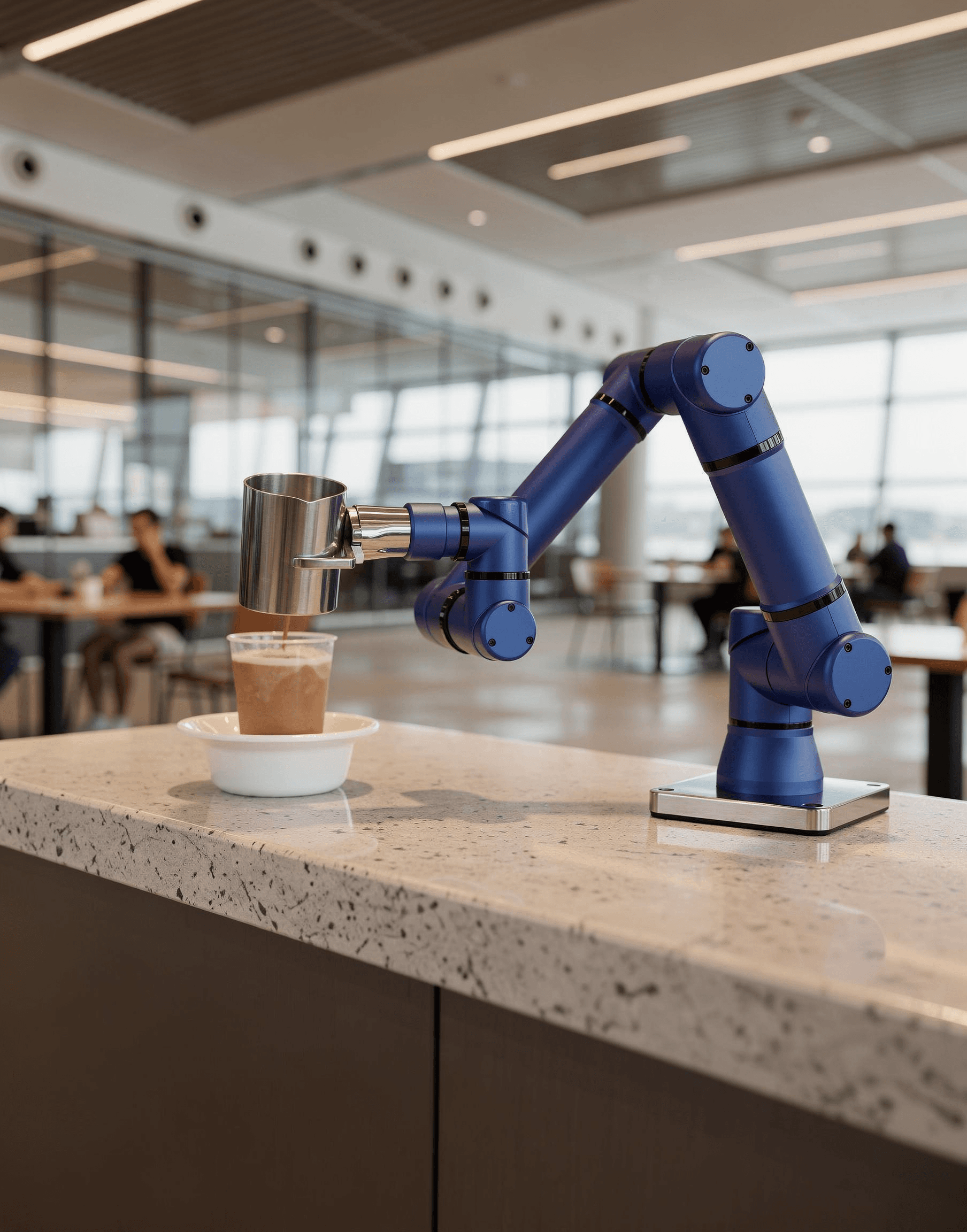
Robots are the future
Robots are the absolute future we have.
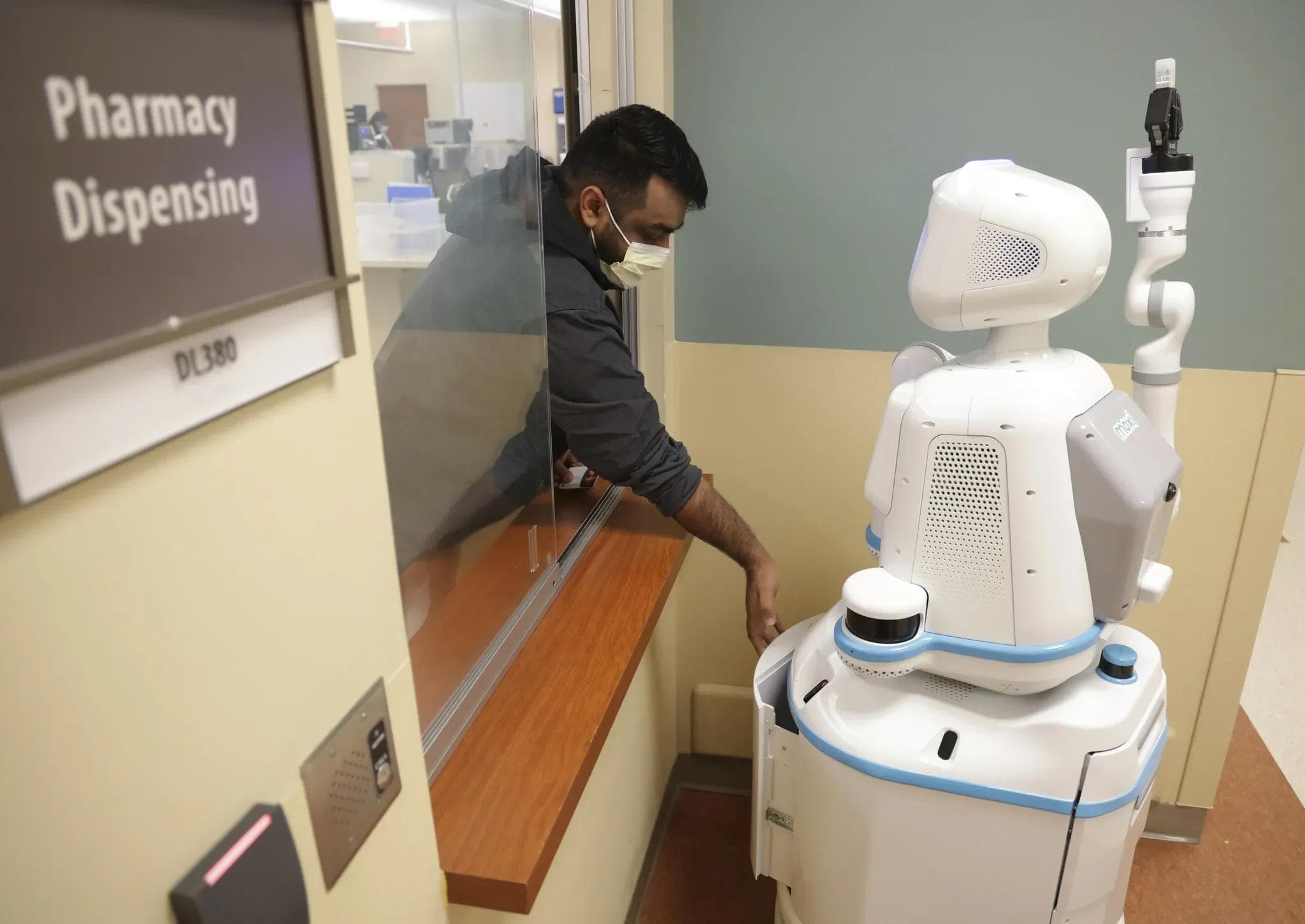
Moxi the hospital robot gives nurses time back
At Mary Washington Hospital, WIRED found a cleaner robotics story than spectacle: a mobile assistant taking routine delivery runs so nurses can stay closer to patients.