
When inspection is dangerous, robots should take the first look
Energy infrastructure makes a simple case for automation: let people supervise the risk instead of climbing, flying, and walking directly into it.
What this story shows
- Inspection robots and UAVs move the first look away from the human body when infrastructure is dangerous.
- Sensor payloads such as thermal and LiDAR can reveal risks that visual inspection can miss.
- The human role moves toward mission planning, interpretation, and repair decisions.
Some industrial work is dangerous because people are careless. Much of it is dangerous because the job itself asks people to climb, fly, crawl, or walk through places that were never designed around human safety.
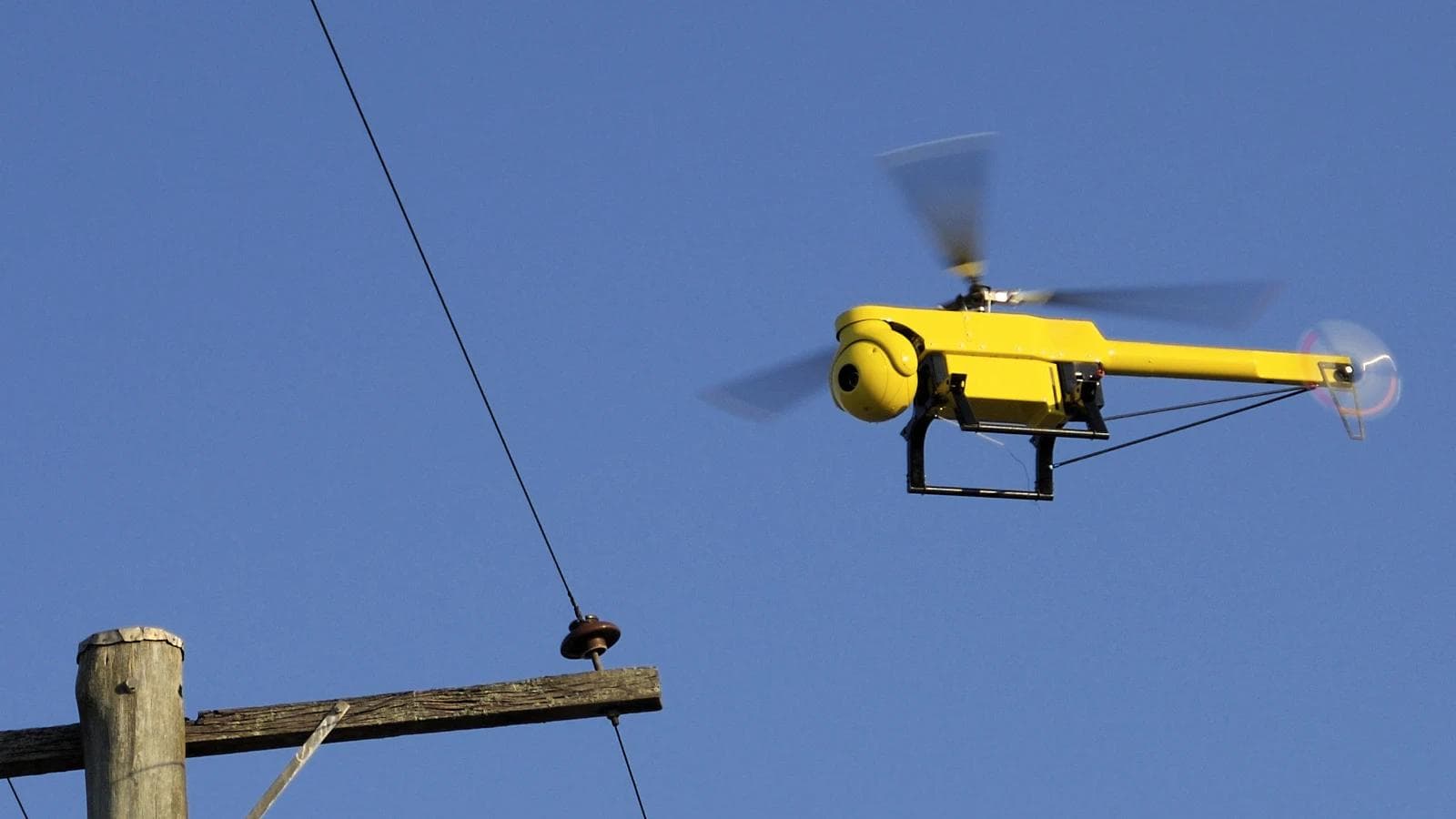
A TechRadar piece on unmanned aerial vehicles in the energy sector makes the argument plainly: infrastructure inspection still often depends on workers climbing transmission towers, flying low in helicopters, or walking pipelines through extreme weather and rough terrain. UAVs can move the first pass of inspection away from the human body.
The safety case
The article cites rising U.S. workplace fatalities and points to ageing grid and pipeline infrastructure as a compounding risk. It also notes that many transformers, circuit breakers, and transmission lines are decades old, which means the inspection burden is not going away. For the electrical hazards in this work, OSHA's electrical safety guidance is a useful regulatory reference point.
UAVs equipped with thermal and LiDAR sensors can detect overheating components, structural issues, and gas leaks. With beyond-visual-line-of-sight operations, some systems can cover long distances without requiring a person to be physically present at every hazardous point.
The human role moves up
The best version of this story is not replacing utility crews. It is changing their proximity to danger, an idea aligned with occupational robotics work from NIOSH. A human inspector still defines the mission, checks the data, decides what matters, and sends repair teams where needed. The robot or UAV takes the first look where the first look is risky.
- Robots can reduce tower climbs, low helicopter passes, and long pipeline walks.
- Sensor payloads can reveal heat, geometry, and gas signatures that are easy to miss visually.
- Human crews can spend more time interpreting and acting on findings, and less time absorbing avoidable risk.
“In dangerous inspection work, the robot's job is not to be brave. It is to make bravery less necessary.”
Why it matters for adoption
This is one of the cleanest positive robotics narratives for industrial buyers. The ROI can include reduced injury exposure, faster inspection cycles, better data, fewer helicopter hours, and earlier detection of failures; the same inspection logic is visible in categories like security patrol robots. The moral case and the operational case point in the same direction.
More stories
View all
Robs are great
Lorem ipsum dolor sit amet, consectetur
Robots are the future
Robots are the absolute future we have.
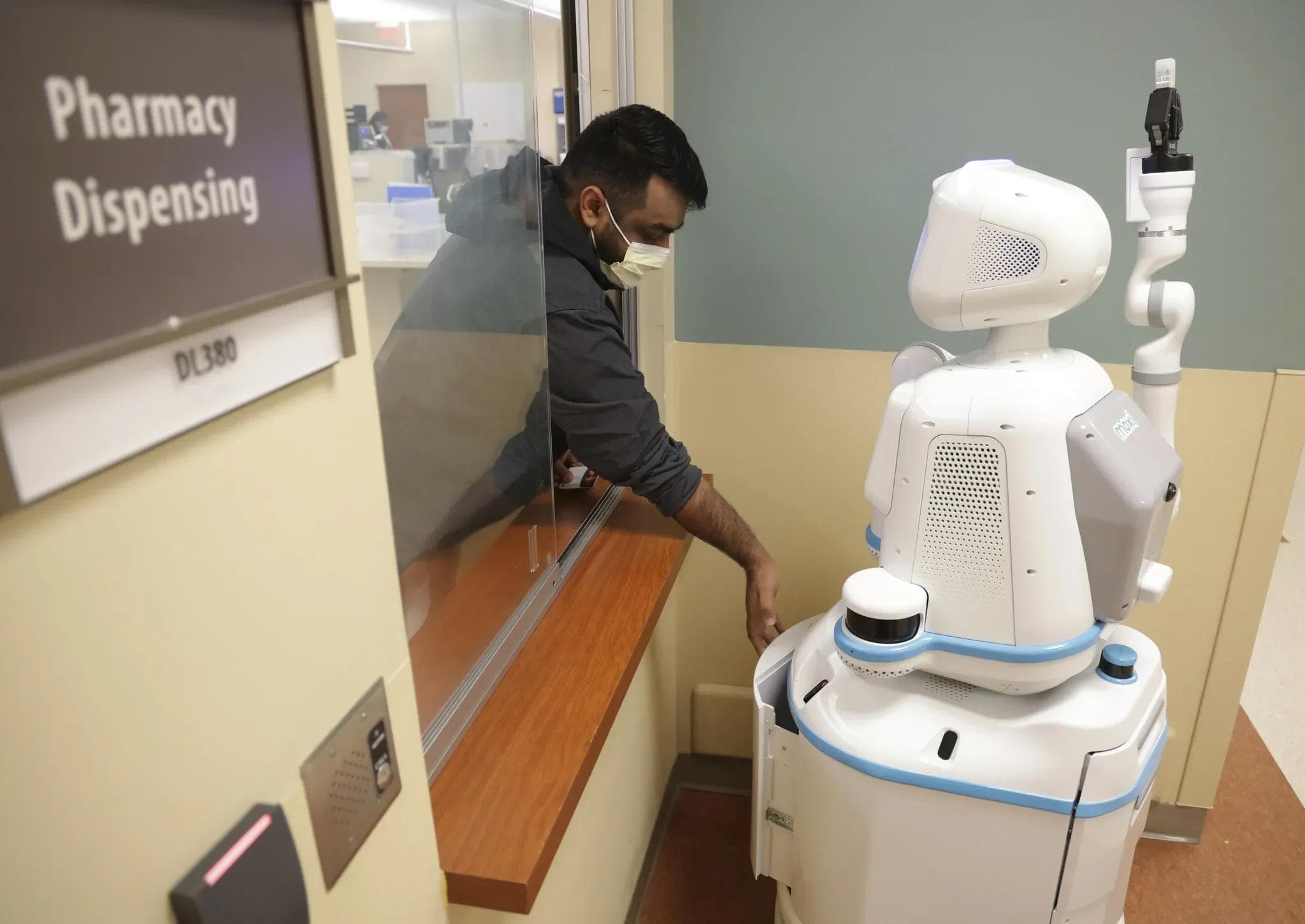
Moxi the hospital robot gives nurses time back
At Mary Washington Hospital, WIRED found a cleaner robotics story than spectacle: a mobile assistant taking routine delivery runs so nurses can stay closer to patients.